

When you need to build in HubSpot, not just migrate to it.
When you need to build in HubSpot, not just migrate to it.
We design, build and extend HubSpot Content Hub. Custom themes, modules, integrations and ongoing development for teams already on the platform or building a new property in it.

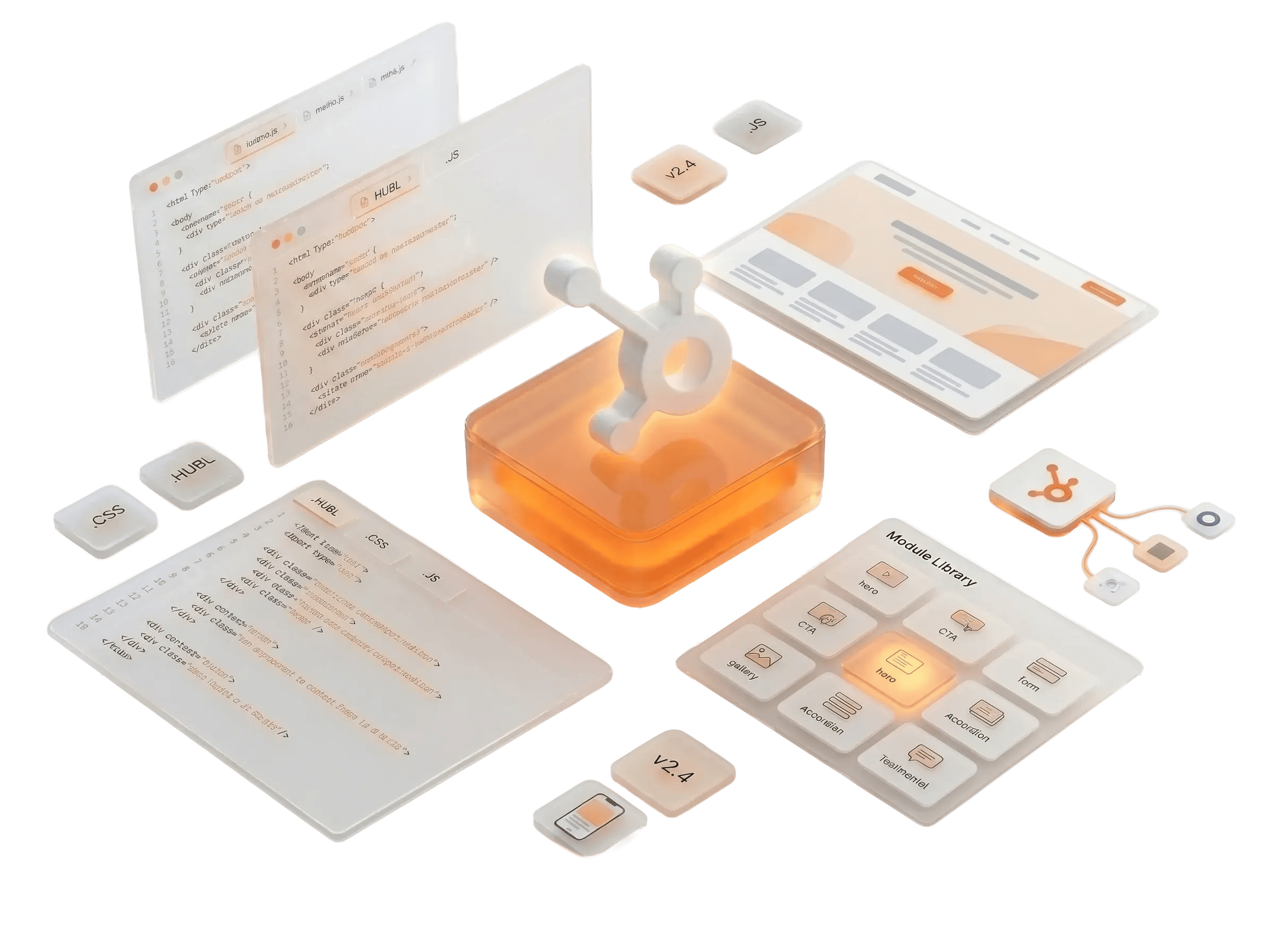

What HubSpot Web Development covers

Custom themes, templates and modules
The building blocks your marketing team works from. We design and develop custom themes, page templates and HubSpot modules that match your brand, perform in search and give your team the flexibility to publish without waiting on dev.
HubDB and dynamic content experiences
HubSpot's database layer supports content types that static templates can't. Directory listings, resource libraries, filterable product catalogs and data-driven experiences built on HubDB, designed so your team can add records without a dev ticket.
Web personalization and smart content
HubSpot's smart content tools serve different experiences to different visitors based on industry, lifecycle stage, device or list membership. We design the personalization logic and build the content variants so a single URL adapts to the visitor without a separate page for each segment.
Microsites, campaign sites and brand subsites
We design and build additional HubSpot properties from scratch: campaign microsites, product launch sites and brand subsites that run independently of your main site.
Custom integrations and APIs
When HubSpot's marketplace connectors don't cover the connection your team needs. We build custom integrations using HubSpot's API to connect Content Hub to your existing systems: ERPs, product databases, customer portals and third-party data sources.
Ongoing development and optimization
Predictable development capacity for teams that need more than a one-off project: landing pages, email templates, A/B testing, conversion rate optimization and regular enhancements to the site your campaigns run on. We know your setup, so new work doesn't start from scratch every time.
Who this is for
The build scenarios we know well
Web development engagements start from one of four places. The entry point shapes the scope. The work is the same.
Your team can publish content and manage pages. But custom features, new section types, dynamic experiences or anything outside the current template library requires a dev ticket. We extend what's there: new modules, custom templates and functionality built directly into Content Hub so your team keeps publishing without the bottleneck.
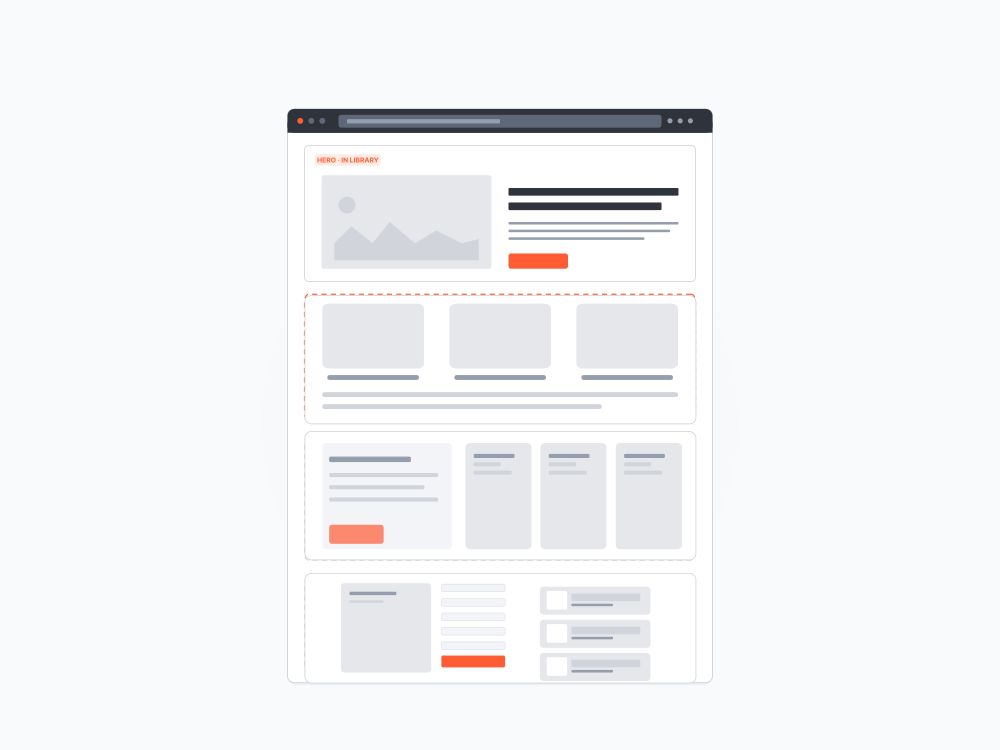
Sometimes the project is a new property, not a move off something old. A campaign site launching with a product. A brand subsite carved off the main domain. A microsite tied to a specific audience or market. We design and build it in HubSpot from the ground up, so it lives on the same platform your team already manages.
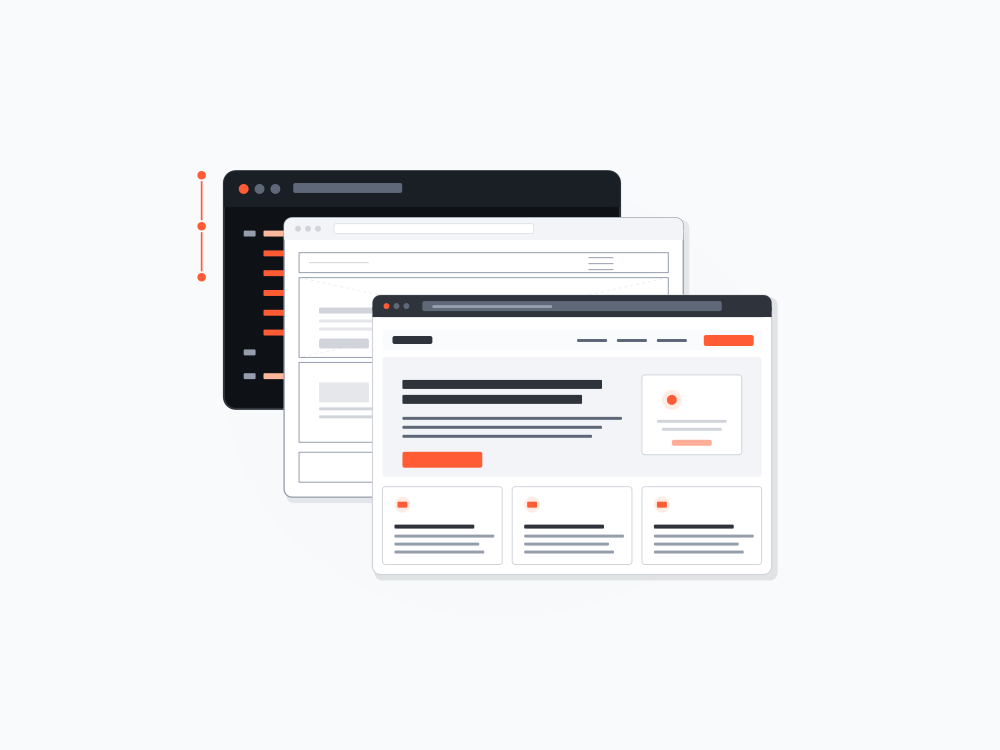
Project-by-project development is slow when the volume of work is consistent. A team that rebuilds context every engagement learns your platform setup late and ships accordingly. A retainer relationship means predictable capacity, a team that knows your environment and development work that moves at campaign speed.
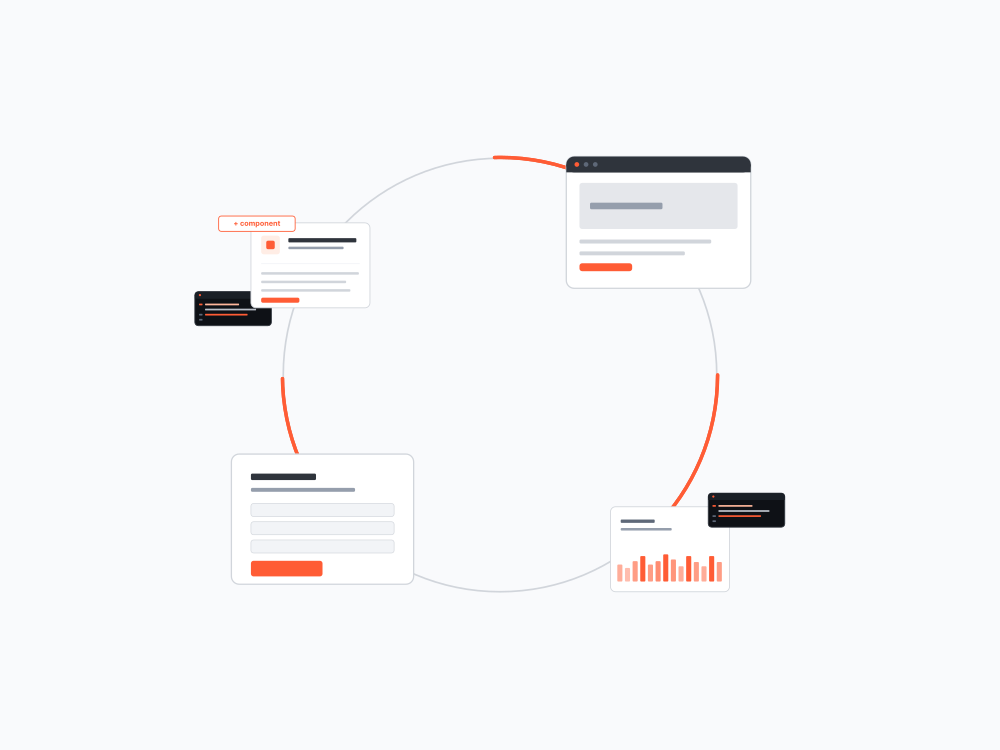
Some organizations have formal development governance: release branches, sandbox environments, multi-stage QA cycles and production deployment cadences. We work inside those structures. The team aligns to your process, operates in your tools and delivers inside your governance framework rather than around it.

The RAB2B difference
HubSpot development designed by the agency that builds the rest of the system.
Most HubSpot development partners build what you scope. A wireframe, a component list, a deadline. We bring more context into the build: the audience model, the conversion logic, how the site connects to the CRM and marketing automation stack running behind it. The templates and modules we build are designed with that context already in them.


Tell us where you are. We'll help you see what's possible and how we'd build it. No pitch. Just a clear picture of where to start.


Steve Cabrera
Schedule a meeting with Steve to discuss your current infrastructure and project goals.
We're on it.
Thanks for telling us where you are. Steve and the team will dig into your setup and reach out within a business day with a clear picture of what the build looks like.
In the meantime, keep an eye on your inbox.