

An ABM motion that turns named accounts into pipeline.
An ABM motion that turns named accounts into pipeline.
We build the ABM motion from the account model up: ICP definition, target account universe construction, buying group mapping, account scoring, outreach coordination and the reporting that shows pipeline impact at the account level. The result is a program your sales and marketing teams run together, on HubSpot, with a shared view of what's working.

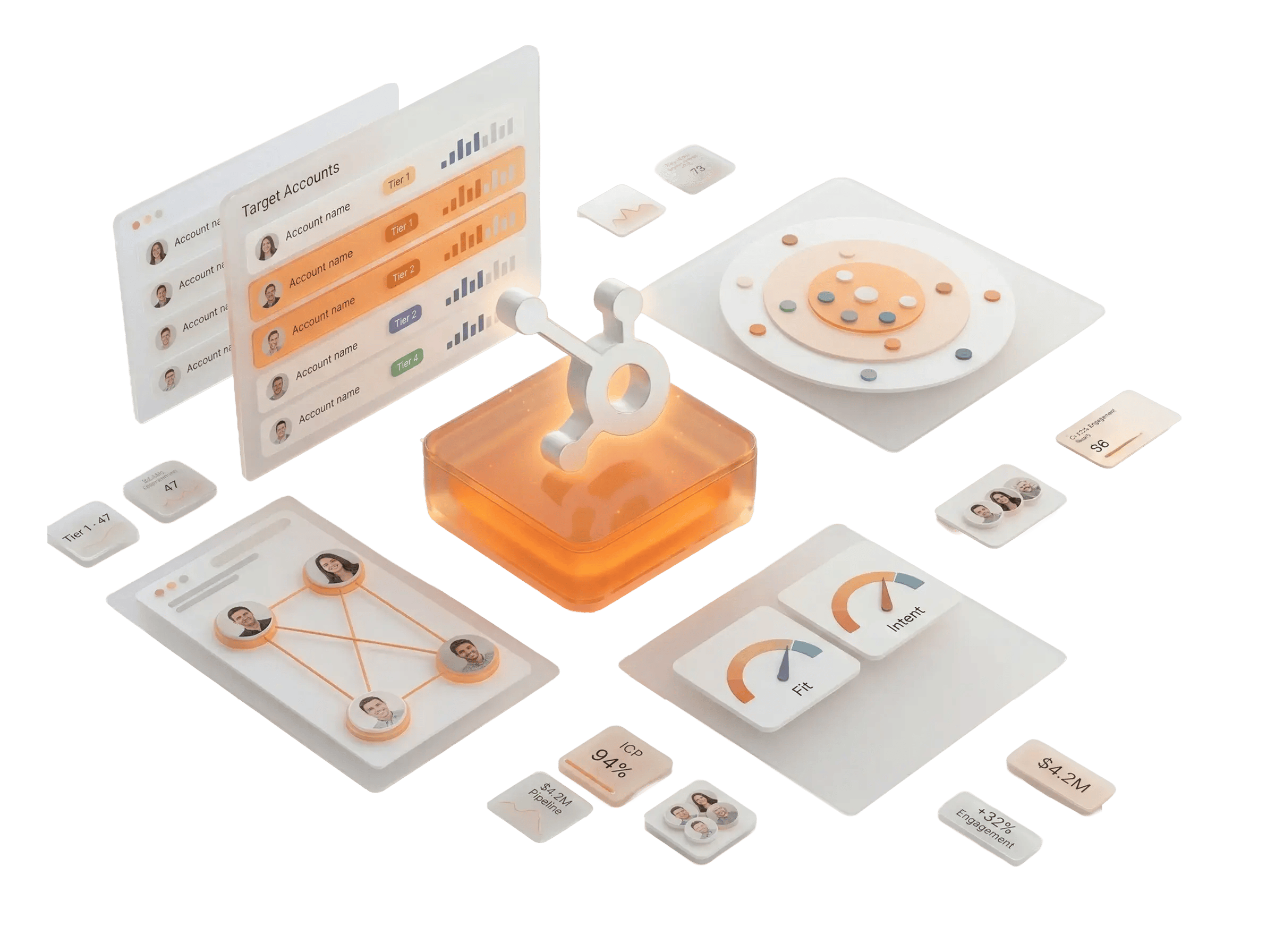

What an ABM build on HubSpot covers

ICP definition and target account universe
We work with your team to define the ICP criteria that actually predict a good-fit account: firmographics, technographics, engagement signals and buying intent indicators. From there, we use HubSpot's Breeze Intelligence to build and validate the account universe. The list is the foundation. If the targeting is off, everything built on it underperforms.
Buying group and contact mapping
ABM targets accounts, but people buy. We map the buying group structure for each account tier: decision-makers, economic buyers, champions and technical evaluators. The contact model gets built in your CRM so outreach can be coordinated across the buying group, not just aimed at a single title.
Account scoring and intent signals
Account-level scoring built on behavioral data, firmographic fit and engagement signals. We set the thresholds that determine when an account moves into an active sales play. Scoring operates at the account level, not just the contact level. That distinction matters when multiple people from the same company are engaging at different points in the cycle.
Account-based workflows and routing
HubSpot workflows configured around the account record. Enrollment triggers, sales alert logic, handoff conditions and account ownership rules designed to match how your team manages named accounts. The right salesperson gets notified when the right account shows the right signal.
Multi-channel outreach and sales play coordination
Outbound sequences, LinkedIn engagement, targeted paid media and content aligned around each account stage. We design the play structure, build the templates and coordinate the marketing-to-sales handoff so outreach across channels runs as a coordinated program, not a collection of parallel efforts. Creative and content are built in-house alongside the technical execution, not contracted out to a separate agency.
Account-based reporting and attribution
Dashboards that show pipeline performance by account, not just by contact or campaign. Engagement velocity, stage progression and channel attribution at the account level. If multiple contacts from the same company are engaging across different channels, the account-based view ties that activity to where the deal stands.
Who this is for
The ABM scenarios we know well
ABM programs tend to start from one of four places. The trigger is usually the same: there are accounts worth prioritizing and no coordinated motion to work them.
Sales knows which accounts they want in the pipeline. The problem is there's no coordinated program to reach those accounts: no account scoring, no shared outreach logic, no view of what marketing has touched at the account level. The list exists. The motion doesn't. We build the infrastructure that turns the list into a program.
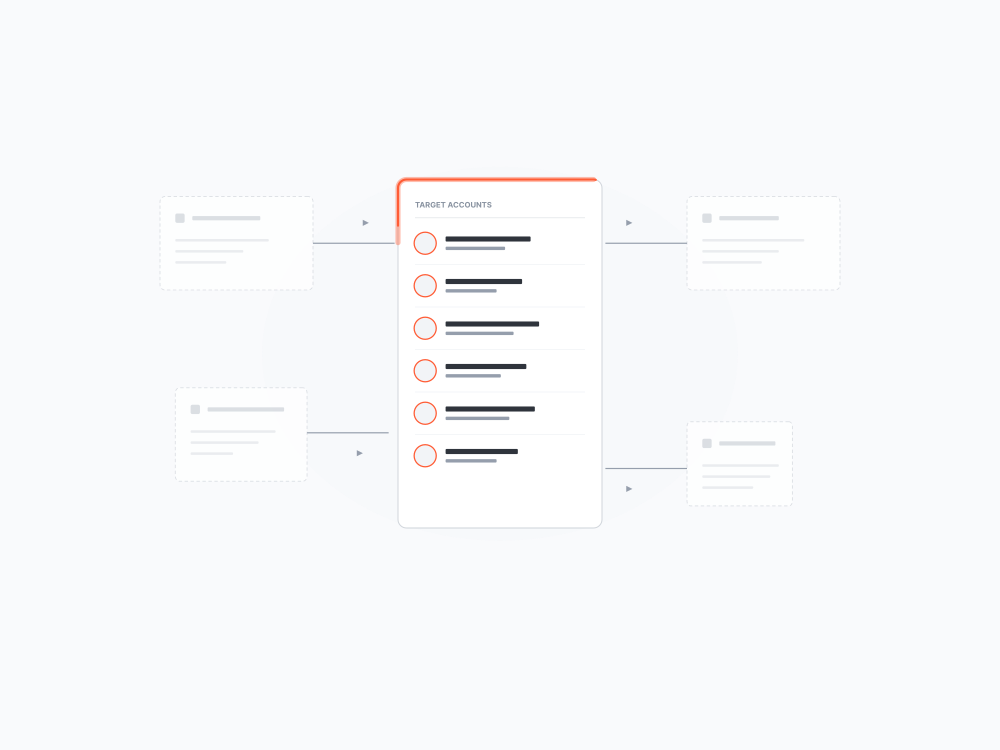
Inbound programs work well for mid-market volume. They're less effective at reaching specific enterprise accounts where deal size justifies a more targeted investment. ABM runs alongside the inbound program, reaching the named accounts that content and search alone don't consistently surface.
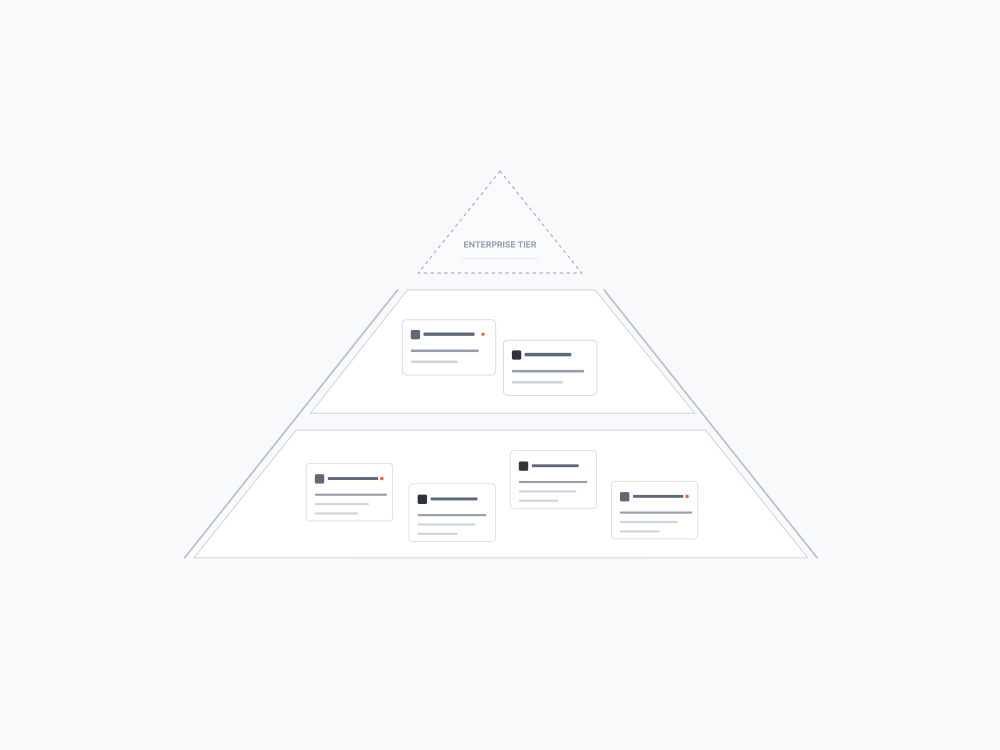
Marketing is measuring lead volume from companies on the target list. Sales is managing contacts in the CRM with no visibility into what marketing has been doing at the account level. Neither team has a complete picture. We build the account model and the reporting layer that gives both teams the same view.
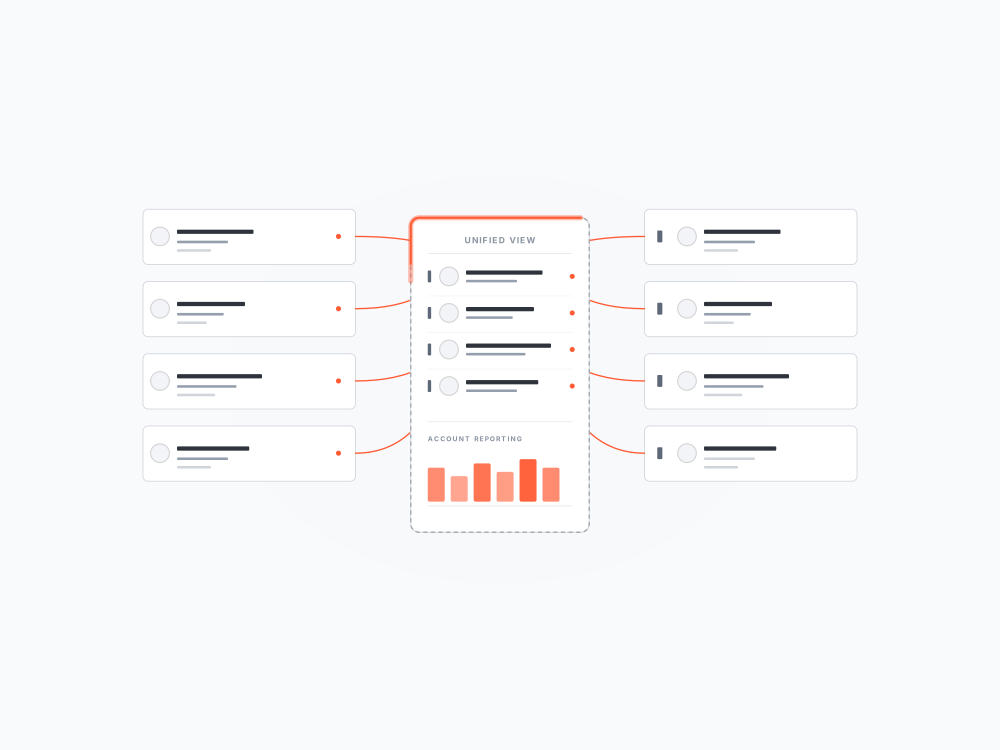
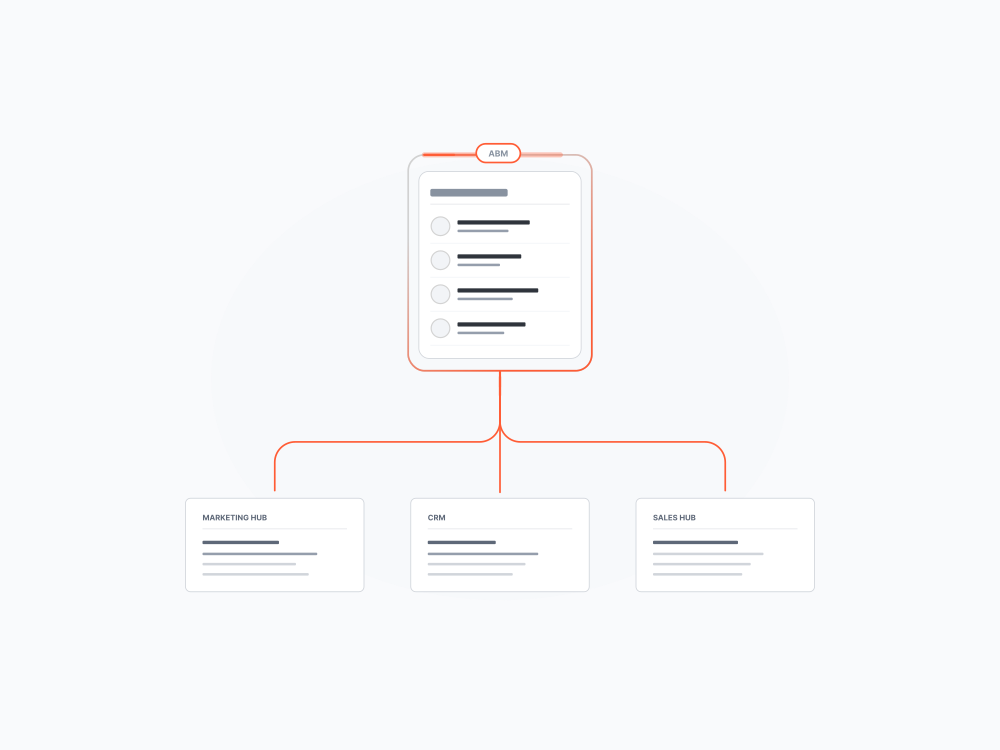
You're running campaigns in Marketing Hub and managing a pipeline in Sales Hub. The infrastructure is there. You haven't stood up a coordinated ABM motion on top of it. We design the account model, configure scoring and workflow logic, and build the outreach program on the platform your team already uses.
The RAB2B difference
An ABM motion designed by the agency that builds the rest of the system.
ABM works when it's coordinated. Account selection ties to ICP, outreach is backed by content built for the specific industry and persona, paid media reinforces the same accounts, and sales has CRM context on every touch before a call. Most outbound shops can run sequences. They don't design the ICP, build the content, run the paid alongside the program or own the CRM the data flows into. We do all of that in-house, which means the pieces fit together from the start rather than getting coordinated after the fact.


Tell us where you are. We'll help you see what's possible and how we'd build it. No pitch. Just a clear picture of where to start.


Steve Cabrera
Schedule a meeting with Steve to discuss your current infrastructure and project goals.
We're on it.
Thanks for telling us where you are. Steve and the team will dig into your setup and reach out within a business day with a clear picture of what the build looks like.
In the meantime, keep an eye on your inbox.